
How to tell if your foothill home connects to public sewer or septic
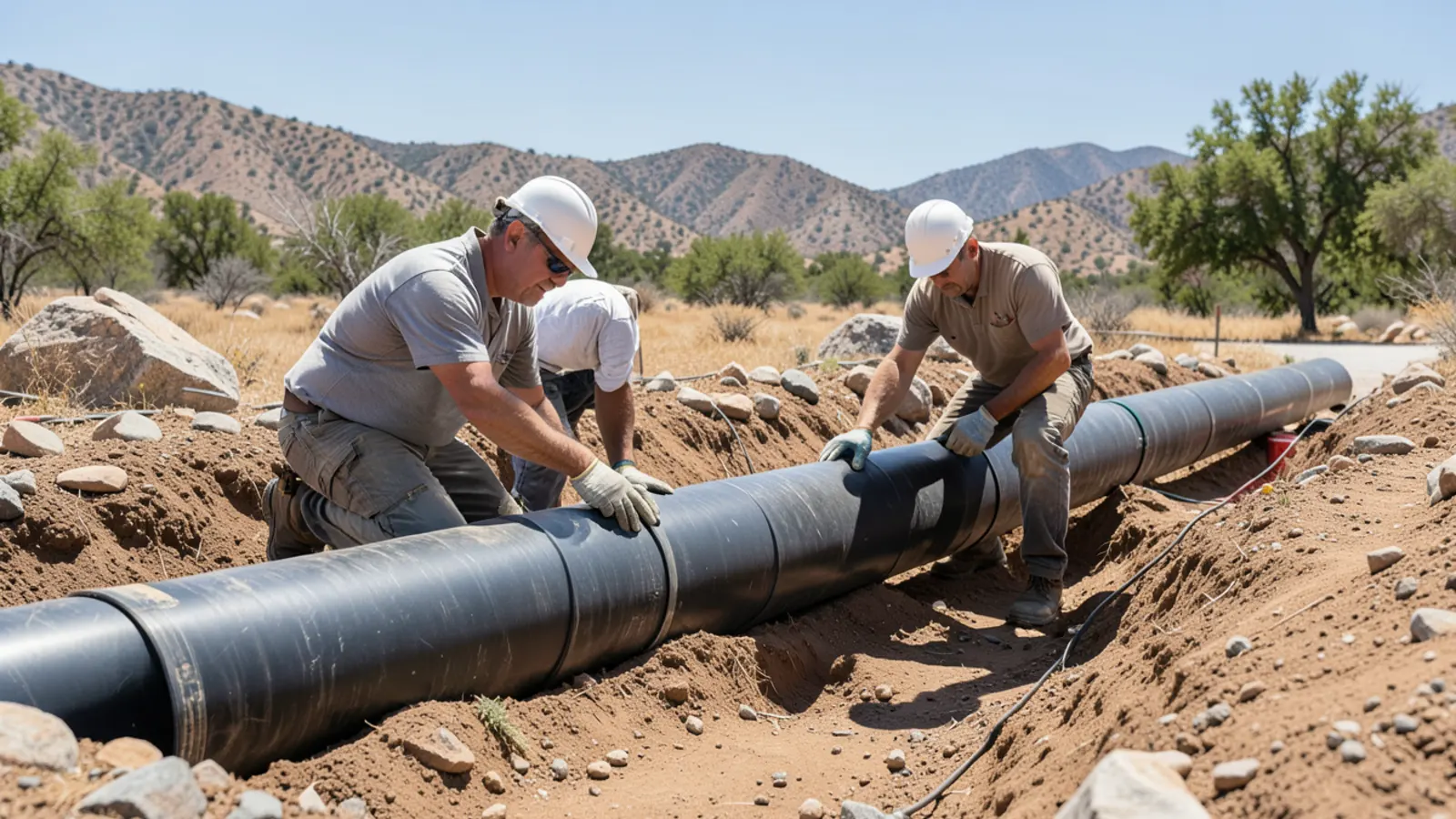
Confirming whether your western El Dorado County property discharges wastewater into a municipal sewer main or an on-site septic tank is essential before undertaking home remodels, scheduling drain cleaning, or troubleshooting plumbing backups.
Why wastewater identification matters for foothill properties
Buying or remodeling a home in western El Dorado County requires understanding where your household wastewater travels once it swirls down the drain. Unlike dense urban centers where municipal sewer connections are universal, our foothill communities span a complex patchwork of public sewer grids and private on-site wastewater treatment systems.
El Dorado Hills master-planned villages such as Serrano, Blackstone, and The Promontory connect to public wastewater collection mains operated by the El Dorado Irrigation District (EID). In contrast, established neighborhoods in Cameron Park, rural parcels in Shingle Springs and Rescue, and acreage properties across the county rely heavily on private septic tanks and absorption leach fields.
Knowing your wastewater configuration is not an abstract academic detail. It dictates what cleaning products you can safely use, what mechanical equipment is appropriate for clearing clogs, how much you pay in monthly utility charges, and what county building permits are required when remodeling kitchens or adding bathrooms.
Need Immediate Plumbing Advice?
Speak directly with our local dispatch desk on Golden Foothill Parkway at (207) 419-2600.
Four reliable methods to confirm your wastewater system
You can definitively confirm whether your property discharges into an EID sewer main or a private septic tank by checking four specific evidence points.
First, inspect your monthly utility billing statement. The El Dorado Irrigation District bills customers for both water supply and wastewater service. If your statement includes itemized line charges for sewer service or wastewater collection, your home is tied into the public sewer utility. If your bill only lists water meter consumption and fixed meter service charges, your home relies on an on-site septic system.
Second, walk your property perimeter. A municipal connection features one or two threaded PVC or ABS cleanout caps (usually 3 to 4 inches in diameter) situated near the front foundation wall or near the street curb. A septic system typically features round concrete or heavy green plastic inspection lids (18 to 24 inches wide) located 10 to 20 feet from the foundation, often surrounded by lush lawn growth over the downhill leach lines.
Third, check local public property records. The El Dorado County Environmental Management Department maintains historical septic installation permits, repair records, and plot maps for all permitted on-site wastewater systems in the county. A parcel search will quickly reveal whether a septic tank permit exists for your address.
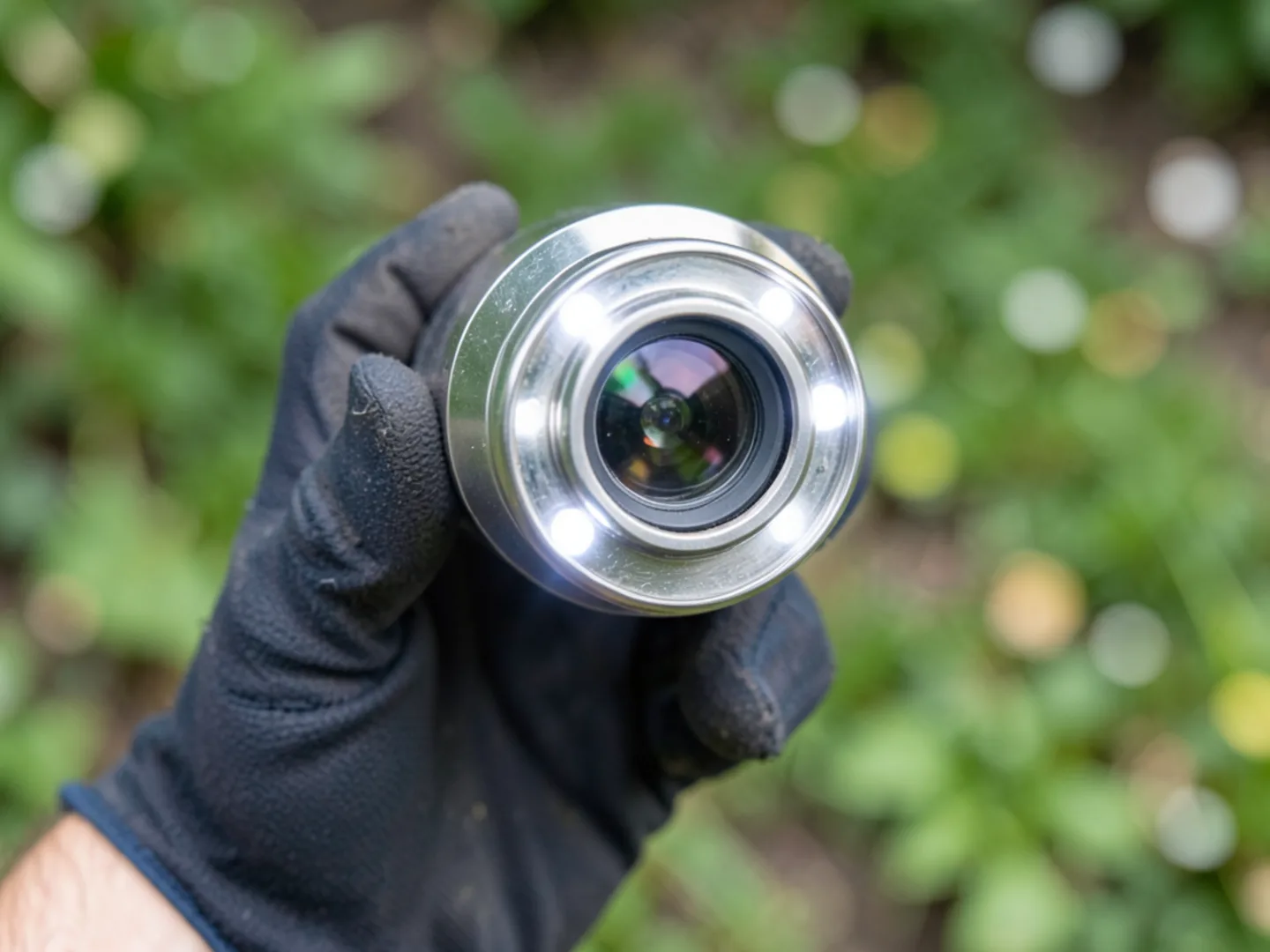
Fourth, schedule an optical sewer camera inspection. A licensed plumber pushes a high-definition color camera down your main cleanout, visually tracking whether the pipe continues out to a municipal street main or terminates inside a concrete septic baffle.
How maintenance differs: municipal sewer vs septic systems
Operating on public sewer provides significant convenience but requires proactive lateral line stewardship. The property owner is legally responsible for the entire sewer lateral pipe running from the exterior foundation wall to the public main connection in the street. In foothill terrain, mature live oak roots, ground movement, and rocky soil frequently fracture sewer laterals, requiring mechanical rooter snaking, high-pressure hydro-jetting, or trenchless pipe repairs.
Operating a private septic system, on the other hand, makes you the manager of an active biological digestion facility. Solid waste settles into the primary septic chamber, where anaerobic bacteria liquefy organic matter. The remaining clarified liquid effluent flows into an underground absorption field, where native soil filters pathogens before the water rejoins local groundwater.
Septic owners must protect this delicate bacterial ecosystem. Antibacterial soaps, chemical drain cleaners, paint thinners, and chlorine bleach kill the digestive bacteria, causing unliquefied sludge to overflow into the leach field and permanently clog absorption trenches. Septic tanks require professional pumping every three to five years to remove accumulated non-biodegradable solids.
Navigating plumbing emergencies on sewer vs septic lines
When plumbing fixtures suddenly back up across your ground floor, the underlying cause depends directly on your wastewater system type. On a municipal sewer connection, a simultaneous backup in multiple fixtures indicates a mechanical stoppage in the main 4-inch lateral—most commonly caused by oak tree root intrusion, accumulated kitchen grease, or pipe settling.
Our plumbing technicians resolve municipal lateral blockages using motorized cable cutting blades or trailer-mounted hydro-jetting equipment that scours pipe walls clean without digging up your yard.
On a septic property, a sudden backup can stem from three distinct issues: a simple mechanical clog in the building sewer pipe leading to the tank; a clogged inlet baffle inside the septic tank; or a completely flooded leach field resulting from saturated foothill soils during heavy winter atmospheric river rains. Running mechanical snaking equipment without checking tank liquid levels can punch through fragile septic baffles, exacerbating system failure.
Remodeling permits, bedroom additions and county regulations
If you are planning a home addition, kitchen remodel, or bathroom installation, your wastewater system determines county approval requirements. For properties connected to EID sewer mains, adding plumbing fixtures typically involves paying standard county building permit fees and verifying that branch drain lines satisfy California Plumbing Code sizing rules.
For homes on private septic systems, regulations are far more stringent. El Dorado County Environmental Management Department sizes septic tanks and leach fields based strictly on the number of bedrooms in the residence, not bathrooms. If you plan to add a bedroom or convert a bonus room, county regulations require proving that your existing septic tank and leach field reserve area can handle the expanded biological load.
Our licensed plumbing team provides expert diagnostics for both municipal sewer laterals and septic building drains across western El Dorado County. We perform video camera inspections, cleanout installations, and durable piping repairs. Call our dispatch desk at (207) 419-2600 for direct technical assistance.
Four-Step Property Wastewater Verification Protocol
- Review your monthly El Dorado Irrigation District billing statement for dedicated wastewater collection and treatment line charges.
- Walk your exterior property perimeter to locate either a white/black plastic two-way sewer cleanout or concrete septic tank access lids.
- Check El Dorado County Environmental Management Department online parcel records for historical septic installation and leach field permits.
- Schedule a professional high-definition sewer camera inspection to physically trace and record the lateral line trajectory from your foundation.
Trade Diagnostics on Foothill Drainage Transitions
In western El Dorado County, municipal sewer infrastructure does not follow strict geographic lines. In older sections of Cameron Park, Shingle Springs, and Placerville, homes on one side of a road may connect to an EID gravity sewer main while homes across the street operate private on-site septic systems installed decades ago.
When dealing with an acute drain backup, misidentifying your wastewater system can lead to costly mistakes. Clearing a sewer lateral with a high-pressure hydro-jetter works wonders on municipal lines choked with oak roots, but jetting into a full, compromised septic tank without understanding tank inlet levels can flood your home with wastewater. Always verify your wastewater termination point before authorizing invasive diagnostic work.
Frequently Asked Technical Questions
Related Plumbing Services in El Dorado Hills
Schedule Foothill Plumbing Service
Speak directly with our dispatch desk on Golden Foothill Parkway at (207) 419-2600. Clean, code-compliant workmanship.